
Baloo’s story: why the full picture starts at home
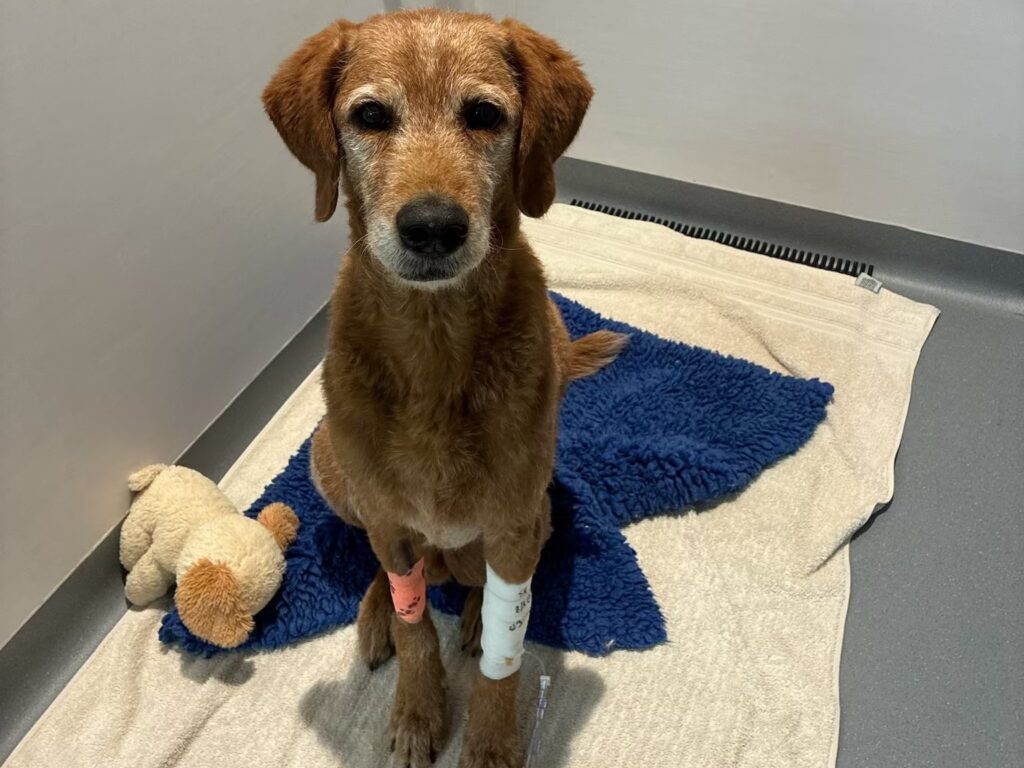
How a late-night VetChat consultation may have saved one Labradoodle’s life.
When pet owner Bec noticed her 8-year-old Labradoodle Baloo drooling excessively one evening, she wasn’t sure whether she could wait the two days for a vet visit. His symptoms were vague – he was only eating small amounts, had vomited once, was drooling, and seemed to be swallowing more than usual. She had a vet appointment booked in a couple of days, but something didn’t sit right.
She did what many pet owners do late at night when they’re not sure: she reached out for advice.
“I jumped onto VetChat and asked some questions because he had some excessive drooling,” Bec said. “He hadn’t necessarily been vomiting, but there was one vomit that same night. It was just a weird set of symptoms.”
Taking it seriously
The VetChat consultation gave Bec something she didn’t have before: clarity. The vet on the video flagged that Baloo’s symptoms could indicate something lodged in his oesophagus, and that radiographs would likely be needed to investigate. They encouraged her to book an urgent appointment as soon as the clinic opened.
“I got enough information from VetChat to realise I should actually be more concerned,” Bec said.
Armed with that information, she called the clinic and was seen as soon as they opened.
The clinic visit that didn’t show the full picture
At the clinic, Baloo was a model patient. Calm, wagging his tail, happily taking treats from the vet’s hand. He showed none of the distress Bec had been watching at home, or had shown the online vet hours before.
This is actually very common in pets. Just like some people’s blood pressure spikes the moment they walk into a doctor’s office, animals can mask their symptoms in a clinical setting, appearing far healthier than they actually are. Baloo, it turned out, was a textbook case.
With no obvious signs of distress, it seemed reasonable to send him home on medication and monitor from there. But Bec knew what she had seen at home – and she had been told by VetChat that imaging would likely be needed.
“For peace of mind,” she asked for radiographs on the spot.
What the radiograph found
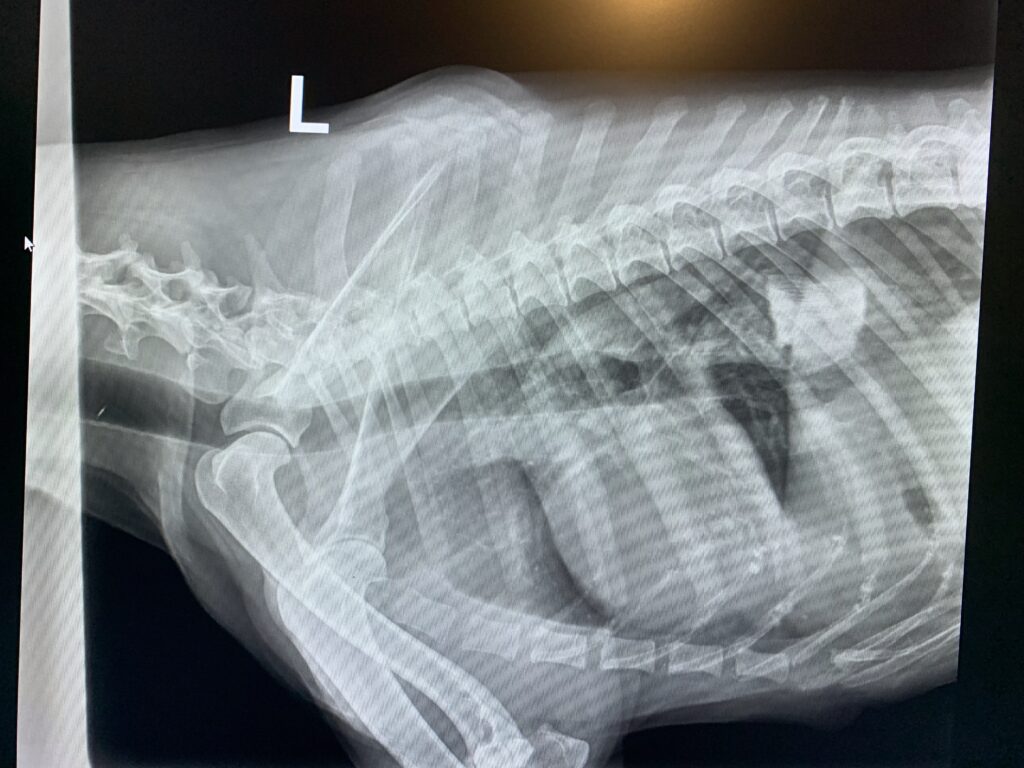
The radiographs told a very different story.
The radiographs revealed a raw beef bone lodged deep in his oesophagus – one Bec hadn’t even known he’d swallowed. It was a life-threatening find. Baloo was referred immediately to a specialist, and fortunately the damage around the obstruction was minimal – the bone was able to be removed via scope, avoiding more invasive surgery.
He made a full recovery.
Why it matters
Bec is in no doubt about what made the difference.
“He was lucky to be alive,” she said. “If I hadn’t spoken to VetChat, I might have stopped watching him.”
The VetChat consultation didn’t just reassure her – it gave her the clinical context to understand what she was seeing, the confidence to book an earlier appointment, and the knowledge that imaging would be needed. Even when Baloo himself wasn’t giving anything away.
It’s a reminder that what happens at home matters. Owners see their pets every day. They notice the subtle shifts – the drool that wasn’t there yesterday, the energy that isn’t quite right. That history and at-home observation is so valuable, and when it’s paired with the right guidance, it can change everything.
VetChat provides 24/7 access to Australian registered vets for pet owners across Australia. If you’re a partner clinic and would like to know more about how VetChat works alongside your team, get in touch at service@vetchat.com.au
