
Is my pet at risk from bird flu? A bird flu guide for Australian pet owners
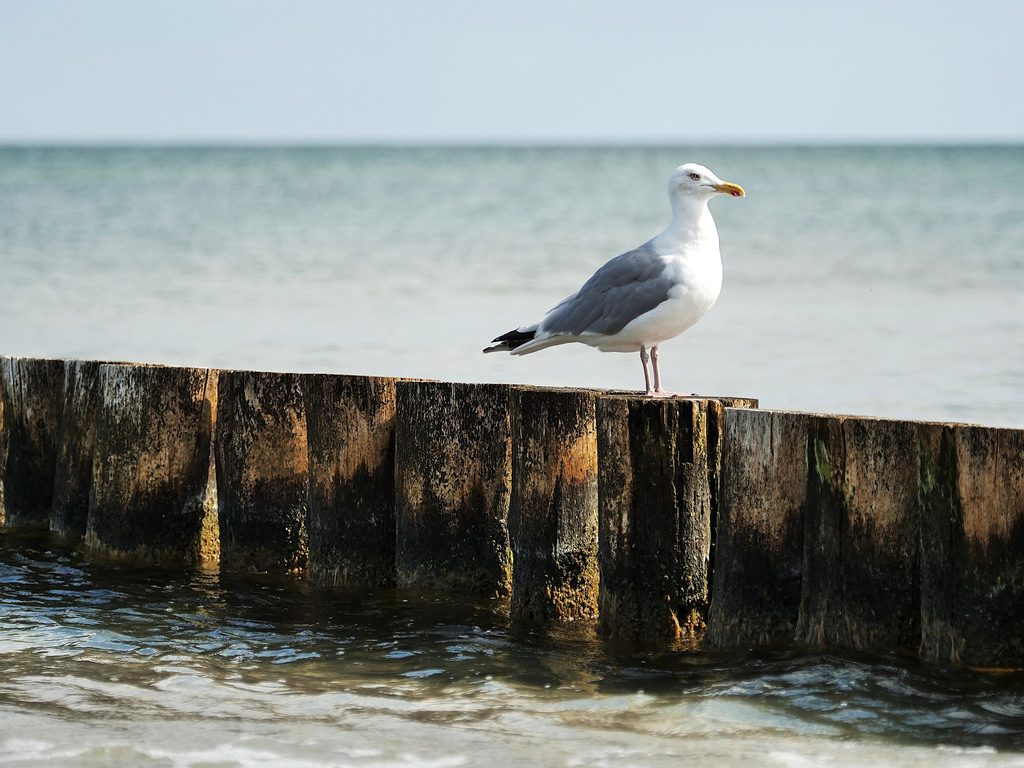
If you’ve seen headlines about bird flu spreading through Australian wildlife, you’re probably wondering what it means for your own pet.
No pet cases have been confirmed in the country to date, but the virus has now reached a small number of other wildlife species.
Here’s what cat, dog, bird, and small pet owners need to know about bird flu in Australia.
How widespread is bird flu in Australia right now?
Bird flu was first confirmed in Australia in June 2026, and cases have climbed steadily since, from a handful of detections in July to over 500 confirmed events by early September.
South Australia and Victoria have been hit hardest, with smaller numbers in Western Australia, New South Wales, Tasmania and Queensland; the Northern Territory has not yet recorded a case, though authorities expect this may change as infected birds move across state lines.
You can check the latest confirmed case numbers by state on the Australian Government’s H5 bird flu data dashboard, which is updated regularly as the situation develops.
No infections have been detected in Australia’s commercial poultry industry.
The virus has also spread into a small number of other wildlife species, including a fur seal, a dolphin, a red fox, and little penguins, and in early August caused Australia’s first mass mortality event in native wildlife, when around 50 seabirds were found dead or sick on the South Australian coast.
Authorities have said further wildlife cases are expected as the virus becomes more established in the environment.
How does bird flu spread?
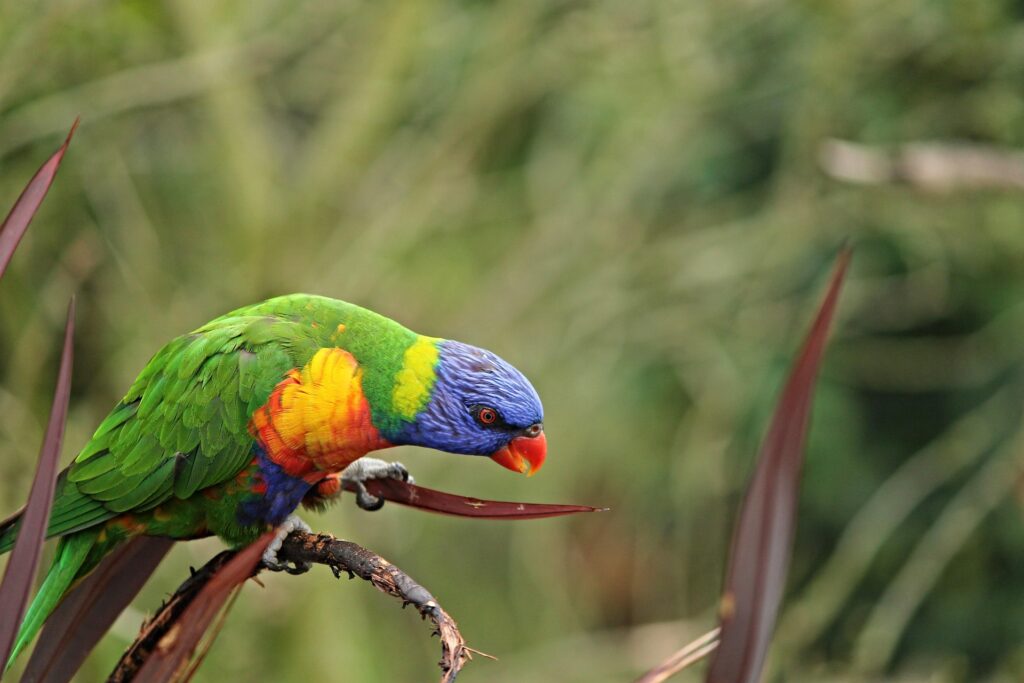
Bird flu spreads mainly through contact with an infected bird’s droppings, saliva, or other bodily fluids, either directly between birds or via contaminated water, soil, or surfaces.
Wild birds, especially migratory seabirds, are the main way the virus moves long distances, carrying it between regions and countries as they travel.
It can also spill over into mammals, including pets, that eat infected birds, scavenge carcasses, or spend time in contaminated environments such as beaches, wetlands, or areas with large wild bird populations.
This is why keeping pets away from sick or dead birds, and away from known hotspots, remains one of the most effective ways to reduce risk.
Can my cat catch bird flu?
Yes, cats can be infected and are considered the most at-risk common household pet, though no Australian cat cases have been confirmed to date.
Overseas, a number of cats have tested positive for H5N1, including some fatal cases, usually linked to eating infected birds or consuming raw meat or unpasteurised milk.
This shows cats are genuinely susceptible, not just at risk in theory, so it’s worth taking sensible precautions, especially if your cat goes outdoors, hunts, or spends time near beaches, wetlands, waterways, parks, or anywhere with lots of wild birds.
How to protect your cat from bird flu:
- Keep cats indoors or safely contained where possible
- Use a secure cat run, catio, or enclosed outdoor space
- Don’t let your cat hunt or eat wild birds
- Keep your cat away from sick or dead birds
- Wash your hands after contact with birds or outdoor gear, and keep outdoor shoes away from your cat, as the virus can travel in bird droppings
Can my dog catch bird flu?
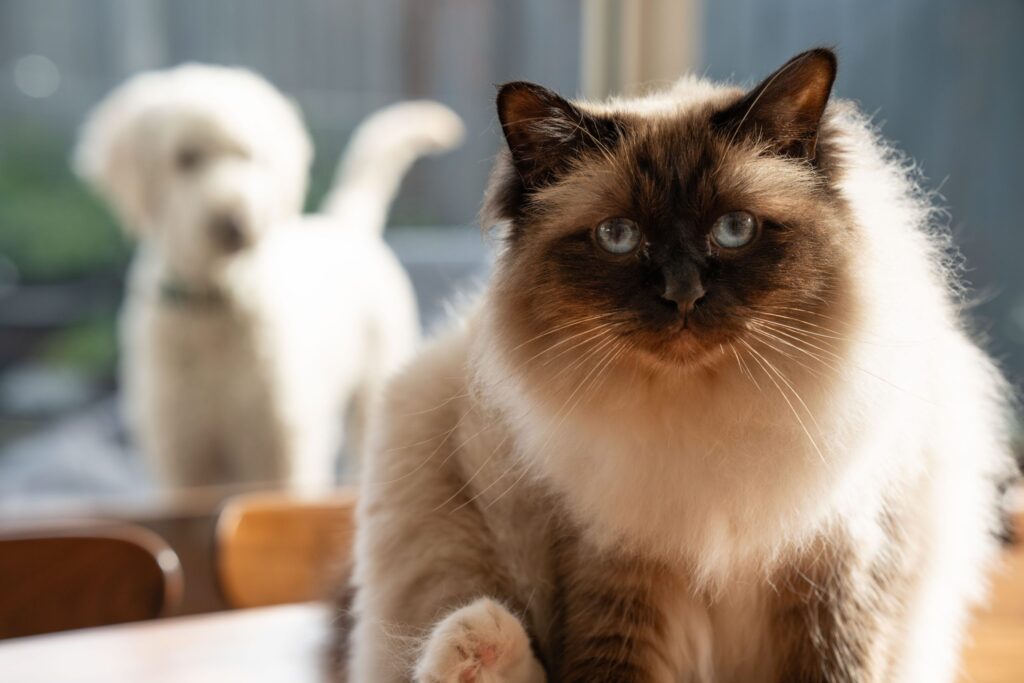
Dogs can be infected too, but appear less susceptible than cats, and no cases have been confirmed in Australian pets to date.
Risk is higher for dogs that retrieve, chew, or scavenge birds, or that are walked off-lead near beaches, wetlands, or bird colonies.
Keeping dogs on-lead in these areas, and away from sick or dead wildlife, is a sensible precaution while the situation develops.
Can rabbits and ferrets get bird flu?
Bird flu can infect mammals more broadly, and while confirmed cases in rabbits and ferrets are uncommon, vets note the risk can’t be ruled out entirely.
If you keep these pets, the same general precautions apply. Limit their access to wild birds and contaminated areas, and keep them away from sick or dead wildlife.
Can pet birds catch bird flu?
Yes, pet birds, including backyard chickens, aviary birds, and companion parrots, are at risk, since the virus spreads through contact with infected wild birds or contaminated droppings, surfaces, and water.
If you keep birds, review your biosecurity. Keep bird areas clean, prevent wild birds from accessing your pets’ food and water, limit visitor access, quarantine new birds, and consider moving birds indoors if you’ve had contact with sick or dead wildlife.
Can humans get bird flu?
Yes, though the risk to humans in Australia is currently considered low. Human infections are rare and typically occur after close contact with infected birds or animals, such as handling sick or dead wildlife, rather than through everyday activities.
There is no evidence that this strain of bird flu spreads between people, and there have been no confirmed human cases in Australia to date.
As a general precaution, avoid touching sick or dead birds or other wildlife, wash your hands after any contact with outdoor areas where birds gather, and don’t let pets do so either, since they could bring the virus into contact with you.
What bird flu symptoms should I watch for in my pet?
Seek veterinary advice promptly if your pet has had possible exposure to wild birds and shows sudden lethargy, weakness, or collapse; loss of appetite or fever; coughing, sneezing, difficulty breathing, or nasal or eye discharge; vomiting or diarrhoea; or tremors, wobbliness, uncoordinated walking, or seizures.
These signs can be caused by all sorts of everyday illnesses, so they’re not automatically cause for alarm, but if there’s been any possible bird exposure, it’s worth mentioning when you speak to a vet.
What should I do if I think my pet has bird flu?
Isolate your pet from other animals and people, and call your vet before bringing them in so the clinic can prepare properly.
If there’s been contact with sick or dead wild birds, also report it to the Emergency Animal Disease Hotline on 1800 675 888.
If you’re unsure whether your pet’s symptoms warrant an urgent in-person visit, you can chat with an Australian-registered vet through VetChat 24/7 for guidance on next steps.
Treatment for animals is currently limited to supportive care, and while vaccine research is progressing for both animals and people, nothing is widely available yet.

Is raw poultry safe to feed my pet?
Commercial poultry is currently safe, with no detections in Australian commercial supply chains, and normal cooking destroys the virus completely.
If you feed a raw diet, source poultry from reputable, human-grade commercial suppliers rather than wild game, freeze raw meat for at least seven days before serving, and practise good food hygiene when handling it.
What should I do if I find a sick or dead wild bird?
Don’t touch it. Bird flu is a notifiable disease in Australia, and higher-risk species currently include seabirds, waterbirds, shorebirds, birds of prey, and marine mammals such as seals, sea lions, and dolphins.
Coastal areas with seabird colonies, particularly South Australia’s south-east coast, are current hotspots.
If you come across a sick or dead wild bird or marine mammal, keep pets and children well away, note the location, take a photo or video from a safe distance if you can, and report it to the Emergency Animal Disease Hotline on 1800 675 888.
Where can I find more information about bird flu?
- Australian Government H5 bird flu data and updates: www.birdflu.gov.au
- H5 bird flu Victorian information: www.agriculture.vic.gov.au/birdflu
- Australian Veterinary Association updates: https://www.ava.com.au/resources-hub/emergency-and-disaster-response/high-pathogenicity-avian-influenza
